
The Semantic Event: Replacing Rigid Triggers with AI
Rigid event names fail to capture true user intent. Learn how SynapseFlowAI uses semantic event triggers to run highly personalized onboarding flows.
The Fragility of Hardcoded Events
Every growth team has been here: you design a high-converting email nurture sequence triggered by a specific event like clicked_btn_upgrade_v2_final. A developer refactors the pricing page, changes the button class, or changes the tracking library, and the event name changes to clicked_pricing_upgrade.
Suddenly, the flow breaks. No alert fires. The emails stop sending, and your trial conversion rate drops off a cliff.
This is the fragility of hardcoded tracking. Traditional marketing automation platforms are rigid systems that rely on developers instrumenting exact event names. If a button changes or a new event name is introduced, the system fails.
But the real tragedy is that event names only capture actions, not intent.
Enter the Semantic Event
A Semantic Event is an abstraction. Instead of listening for a specific literal string, a classification engine powered by SynapseFlowAI's Real-Time Execution Engine interprets the semantic intent behind a sequence of raw user actions (e.g., hovering, typing, navigation patterns, or API errors) in real time.
By utilizing low-latency semantic routers, SynapseFlowAI maps unstructured streams of behavioral data into high-confidence intent vectors.
- Action-Based Tracking: A user visits
/billing,/pricing, and clicks#faq-3. - Semantic Intent Classification: The system groups these actions into a single semantic trigger:
intent: high_billing_interest.
This shift from macro-actions to micro-intent is the foundation of the next generation of SaaS growth architecture. It is the logical progression of the Micro-Onboarding Revolution and the First 24 Hours.
How Semantic Routing Works Under the Hood
The magic of semantic events happens inside our Unified Data Orchestration Hub of SynapseFlowAI. Raw events flow in from Stripe, PostHog, or custom webhooks. Within 300ms, the routing agent does two things:
- 1Context Enrichment: The agent pulls current session data and user history (e.g., page views, previous feature completions).
- 2Intent Matching: Using lightweight, specialized embedding models, it computes the distance between the user's latest session trace and pre-defined semantic boundaries.
For example, if a developer repeatedly triggers a failing API call and toggles back and forth between the API keys page and the setup docs, the routing agent immediately matches this pattern to intent: onboarding_friction_setup.
Once classified, this semantic trigger is sent to the Infinite Canvas where it triggers the appropriate node.
Building on the Infinite Canvas
On the Infinite Canvas, you no longer need to build complex branching logic with dozens of event listeners and nested OR conditions.
Instead, you deploy a single Semantic Trigger Node for a generalized intent:
{
  "trigger": "intent: onboarding_friction_setup",
  "confidence_threshold": 0.85
}
The moment the node fires, it retrieves the user's raw context. The Context-Aware Knowledge Engine (RAG) immediately checks the specific API endpoint that failed, searches your uploaded PRD and documentation, and generates a contextually accurate, personalized email:
"Hey Sarah, I noticed you were setting up the Stripe webhook and hit a 403 Forbidden error on the
/webhooks/stripeendpoint. This usually happens if the signing secret is missing. Here is the exact guide to fix that..."
This is not a rigid template. It is an empathetic, high-context intervention generated in real time and delivered through our Email Delivery Options.
Why Semantic Triggers are the Future of SaaS
Building a growth stack on semantic events unlocks three massive advantages:
1. Zero Instrumentation Debt
Growth teams no longer have to beg developers to instrument new event names every time a new button is added. You write the intent criteria in plain English, and the AI handles the translation of user actions to triggers.
2. Empathy-Driven Personalization
Instead of blast-emailing users who simply opened a page, you intervene only when their sequence of behaviors demonstrates a clear readiness or need. This closes the empathy gap and prevents spamming.
3. Infinite Adaptability
As your product UI evolves, the semantic classifier adapts. It continues to recognize the intent behind "billing curiosity" even if the pricing page is completely redesigned or moved to a different path.
By decoupling automation from literal string matching, you build a growth engine that is resilient, highly intelligent, and focused entirely on the user's journey.
Check out the AI Cortex Engine to build resilient triggers, and read Intent Decay: The Silent Trial Conversion Killer.
Ready to boost your trial conversion?
Create your free account and be among the first to experience Synapse Flow AI.
Join our DiscordMore from the blog
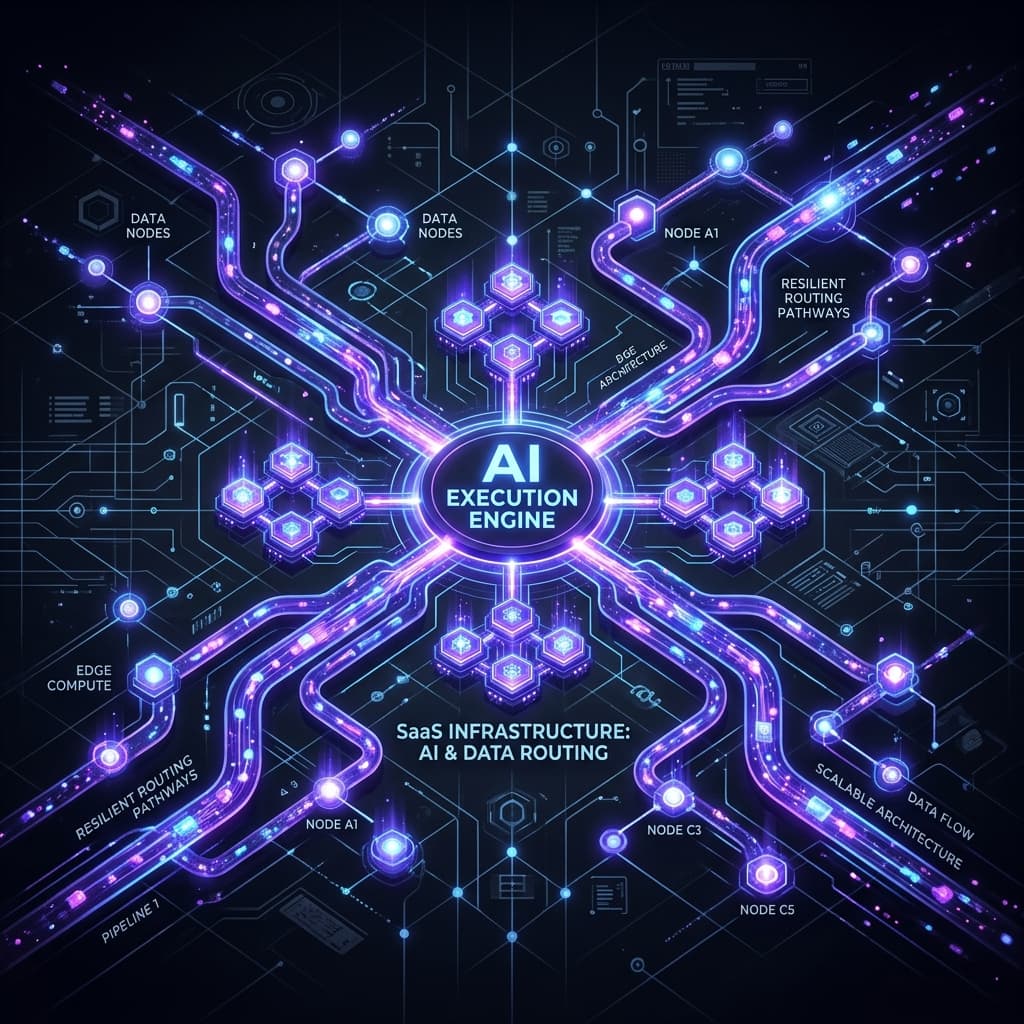
AI Execution Infrastructure: Building Resilient Marketing
Discover how an AI execution infrastructure builds resilient marketing systems that automatically adapt to schema drift and pipeline failures.

Behavior-Driven Automation: The End of Time-Based Drip
Time-based drip campaigns are obsolete. Learn why behavior-driven automation is the only way to maximize trial conversion in modern B2B SaaS.
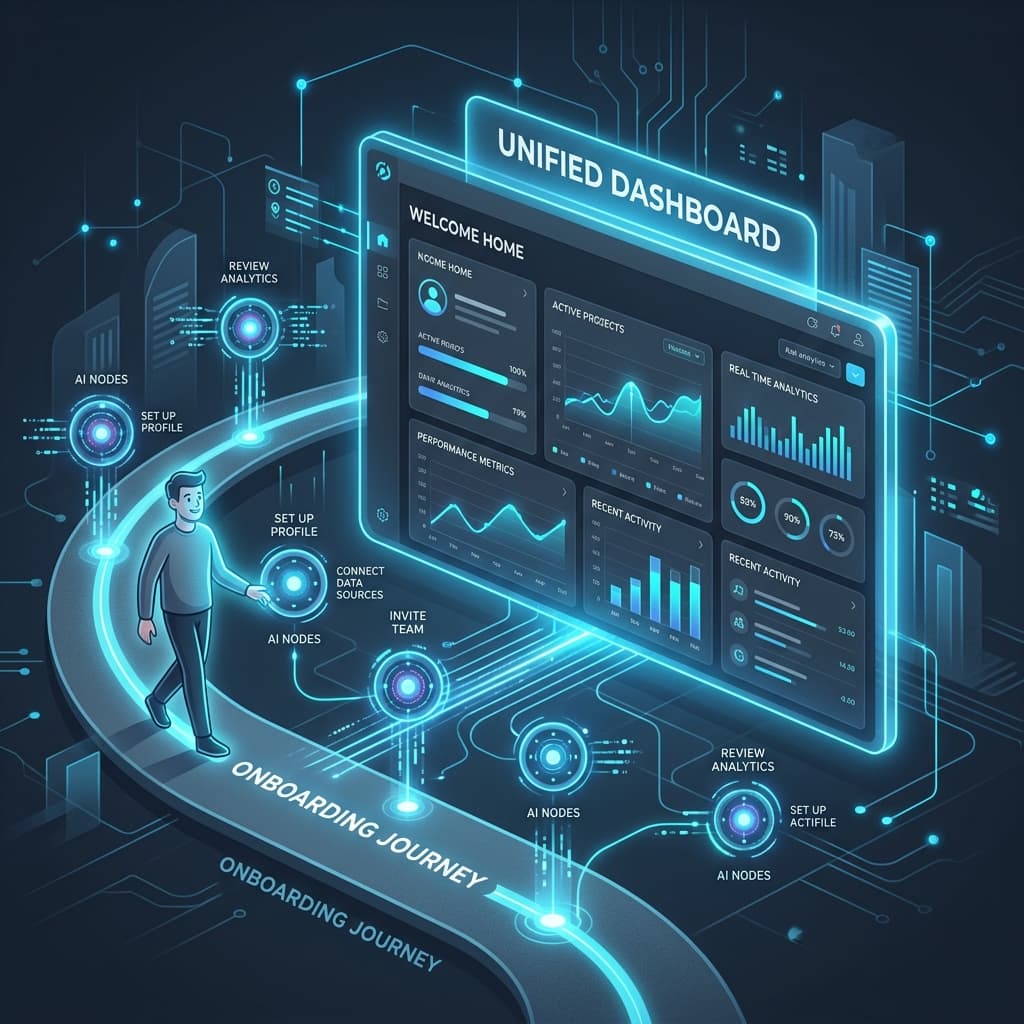
Orchestrating Onboarding: AI Unifies the User Experience
Explore how AI orchestrates personalized onboarding experiences that unify the first 24 hours of the user journey, accelerating time to value.