
Closing the Empathy Gap in AI-Driven Growth
Without sentiment awareness, AI scales bad experiences fast. See how sentiment-driven state graphs close the empathy gap in customer journeys.
The Empathy Paradox in Automation
We've spent the last decade making growth systems faster, more efficient, and more "personalized." We use AI to generate thousands of emails and orchestrate complex journeys across dozens of channels.
But in our quest for efficiency, we’ve inadvertently created a new problem: The Empathy Gap.
An AI that doesn't understand frustration is just a highly efficient way to annoy your customers.
The Limits of Behavioral Signals
Most orchestration engines today rely on behavioral signals: clicks, pageviews, API calls, and feature usage. These are great for understanding what a user is doing, but they are catastrophically bad at understanding how the user feels.
Consider two users who both hit the "Cancel Subscription" page:
- User A is a power user who is just looking for the invoice settings and got lost. They are frustrated but still value the product.
- User B has had three failed billings and two unresolved support tickets. They are finished with you.
A behavioral-only system treats them exactly the same. It triggers a generic "Don't go!" discount offer. For User A, it’s a distraction. For User B, it’s an insult.
Sentiment as a First-Class State
In an AI-native execution layer, Sentiment isn't just a metric you report on once a month. It is a first-class state variable that lives in your Unified State Graph.
By leveraging LLMs to analyze not just where a user is, but the sentiment behind their last few interactions—support chats, API error patterns, and even the speed of their clicks—the system can detect frustration, confusion, or delight in real-time.
- Frustration detection: A user who clicks the same button three times in ten seconds isn't "engaged"; they are stuck.
- Confusion detection: A user who spends five minutes on a documentation page but doesn't execute the command is likely lost.
- Intent detection: A user who searches for "security whitepaper" and "SOC 2" is signaling a specific type of high-value anxiety.
Closing the Loop with Emotional Intelligence
When sentiment is integrated into your agentic workflows, the orchestration changes fundamentally.
- 1The Dynamic Hold: If sentiment is trending negative (e.g., three consecutive API errors), the system automatically puts a "hold" on all promotional or "educational" drips. You don't teach a drowning person how to swim; you throw them a life jacket.
- 2The Concierge Handoff: High-frustration signals from high-value accounts trigger an immediate Slack alert to an Account Manager, equipped with a summary of the friction point.
- 3Sentiment-Aware Content: The Cortex Engine adjusts the tone of its messages. Instead of "Check out our newest feature!", it generates: "It looks like you might be having some trouble with the API setup. Would you like a direct link to the troubleshooting guide or a quick chat with our dev-rel team?"
Beyond the Script
The goal of sentiment-driven orchestration isn't to make the AI "feel." It's to make the AI reason about the user's emotional context.
A system that can distinguish between a user who is "exploring" and a user who is "struggling" will always outperform a system that treats every event as an equal data point.
Intelligence without empathy is just processing power. True orchestration requires both.
Ready to boost your trial conversion?
Create your free account and be among the first to experience Synapse Flow AI.
Join our DiscordMore from the blog
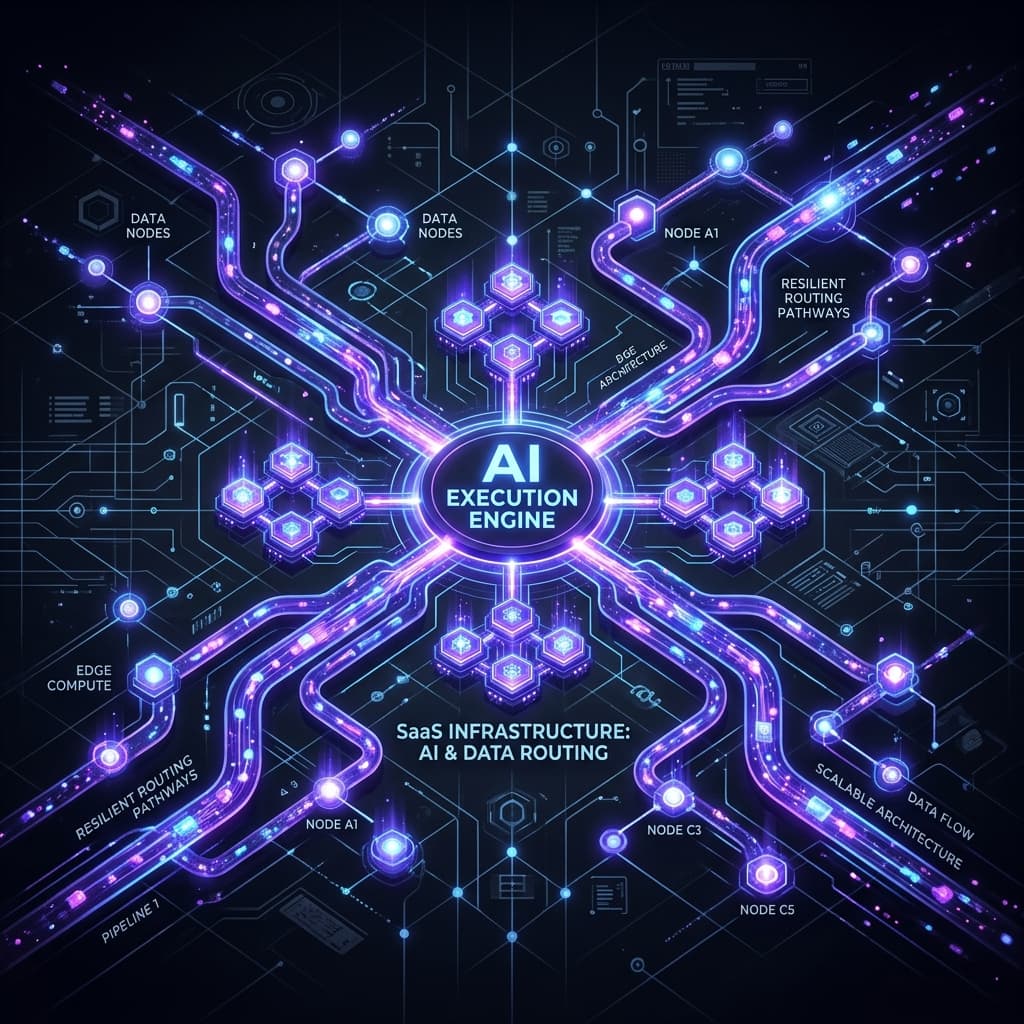
AI Execution Infrastructure: Building Resilient Marketing
Discover how an AI execution infrastructure builds resilient marketing systems that automatically adapt to schema drift and pipeline failures.

Behavior-Driven Automation: The End of Time-Based Drip
Time-based drip campaigns are obsolete. Learn why behavior-driven automation is the only way to maximize trial conversion in modern B2B SaaS.
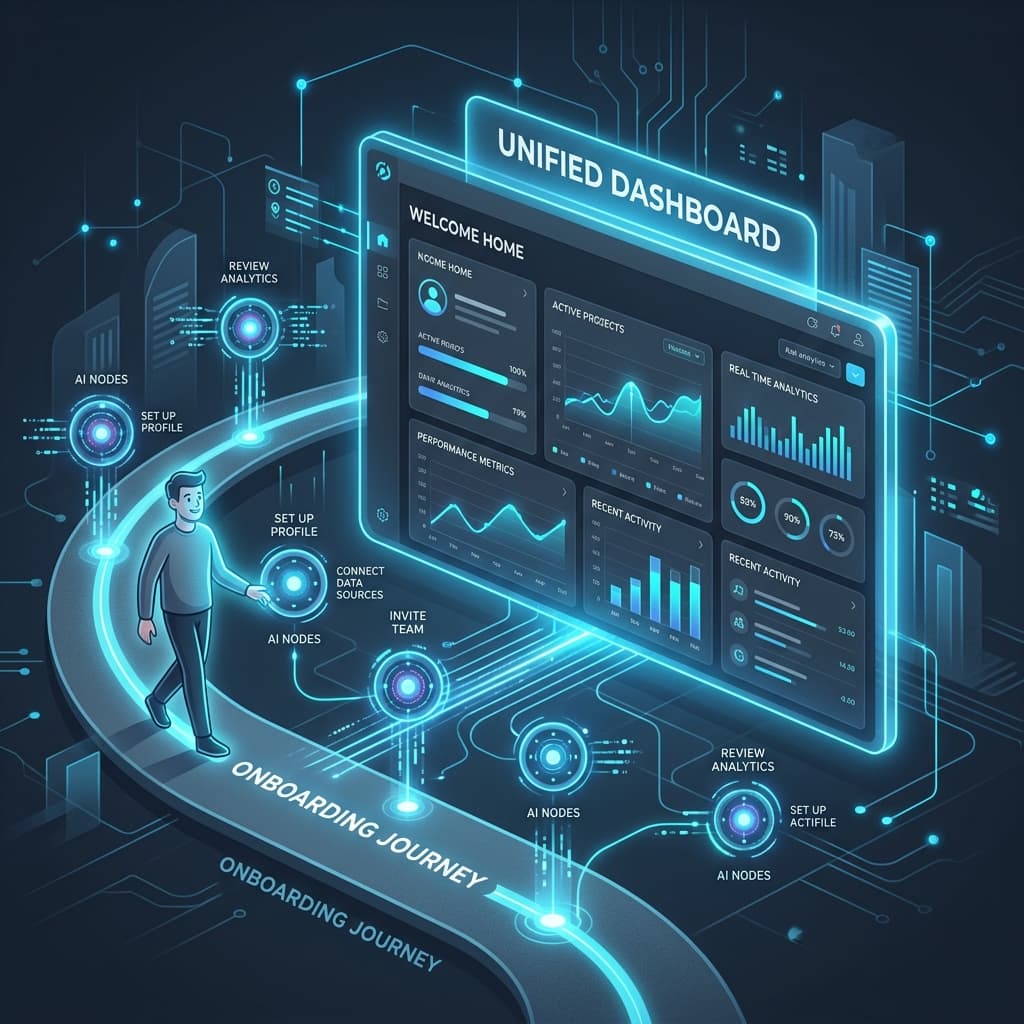
Orchestrating Onboarding: AI Unifies the User Experience
Explore how AI orchestrates personalized onboarding experiences that unify the first 24 hours of the user journey, accelerating time to value.